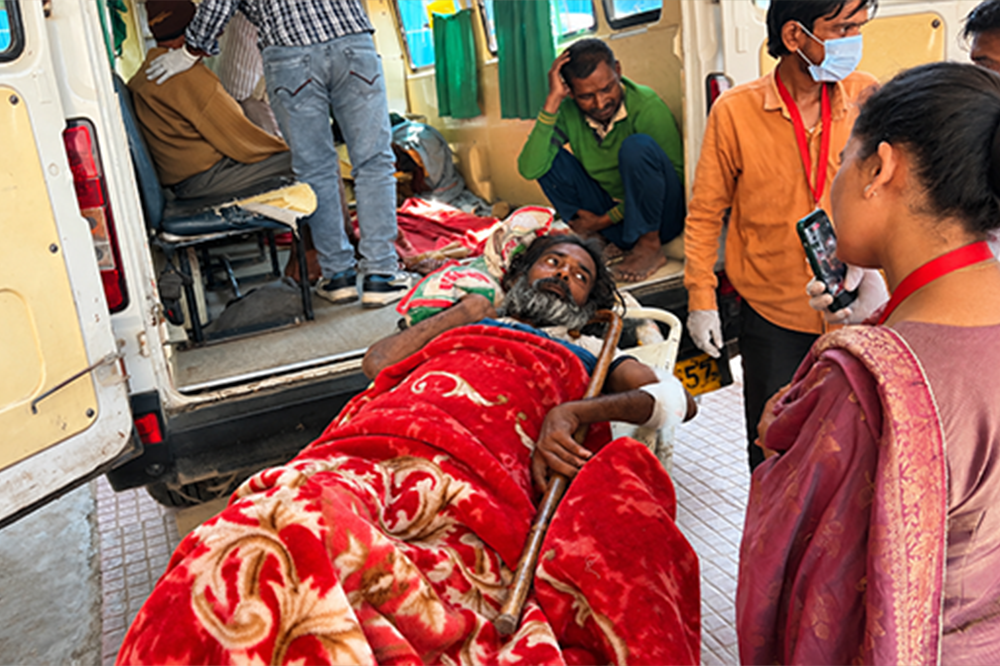
Every city teaches its residents how to look away. In Gurgaon the lesson is a daily one. We drive past the man slumped against the flyover pillar. We step around the woman who has been sitting on the same traffic island for weeks, talking to no one we can see. We tell ourselves someone else will handle it, that it is not our business, that we are late. The truth we would rather not name is that these are people, and we have collectively agreed not to treat them as such.
The Earth Saviours Foundation exists because someone refused to make that agreement. Started in Gurugram in 2008 by Ravi Kalra, a former martial artist who gave up his career for it, and run today by his son Jas Kalra, it has become the NGO rescue centre in Gurgaon that does the thing the rest of us avoid. It stops. It picks the person up. Since it began, it has rescued more than 15,000 destitute people from the streets, and in an average week it takes in another ten to fifteen.
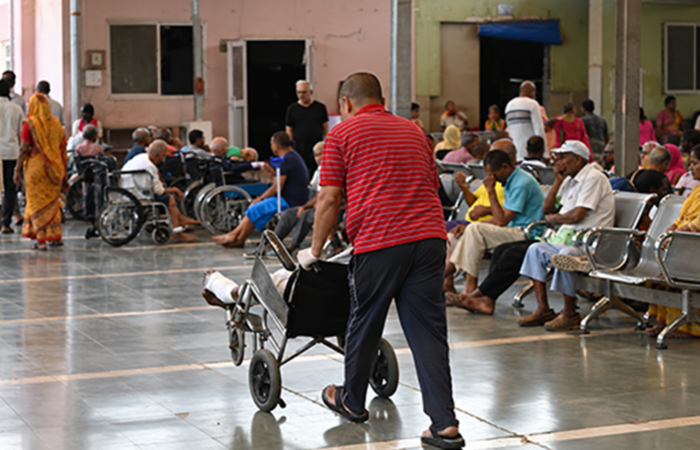
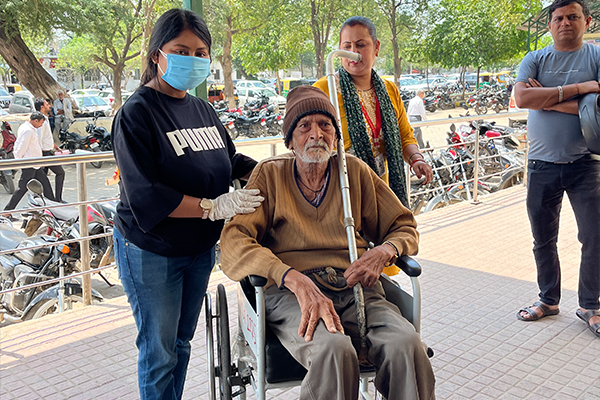
There is a romantic idea of rescue, a single heroic moment with a clear ending. The real work is nothing like that. A call comes in, often from a passer-by, sometimes from a police control room or a court or a government office that has found someone and does not know what else to do. A team goes out, frequently at an hour when the rest of the city is asleep. What they find is rarely dramatic in the way films are. It is a human being who is dehydrated, malnourished, carrying infected wounds, sometimes covered in bedsores by the time anyone has bothered to reach them, often unable to say their own name. The rescue is the easy part. What follows is weeks of treatment, clean bedding, regular meals, and a patience that cannot be rushed.
Who ends up on the street is wider than most of us assume. There is a comfortable story in which the homeless are all addicts or idlers, a story that conveniently absolves everyone else. Spend an hour with the residents of this foundation and the story falls apart. Some are elderly people abandoned by their families. Many live with mental illness or intellectual disabilities and drifted away from homes that could not cope. Some are migrant workers who came to Gurugram for a job, got hurt or sick, and discovered how quickly a city can forget a person who has stopped being useful to it. What they share is not a character flaw. It is a single moment when family, money, health, and shelter gave way at once.
The measure of any NGO rescue centre in Gurgaon is not how many people get pulled off the road. It is what happens to them afterward. For some, the foundation traces a family and, where it is safe, sends them home. For others, home is gone or was never safe, and the shelter becomes the home instead: a bed, food, medical care, and the ordinary human contact that keeps a person tethered to themselves. Around 1,200 people live there now. And for those who cannot be saved, who arrive too late and too sick, the foundation has cremated more than 11,000 unclaimed bodies over the years, granting a dignified farewell to people the rest of society had already written off. An organisation willing to stay with a person all the way to that point is not doing it for applause.
It is worth asking why this depends almost entirely on private generosity. The Earth Saviours Foundation runs without government funding, on donations from individuals and companies. A city that produces this much wealth should not need a charity to keep its most desperate residents from dying on the pavement. That it does is a comment on our priorities, not on the foundation’s.
None of this requires the rest of us to become full-time rescuers. It requires something smaller and harder: that we stop looking away. The next time you pass someone in Gurugram who is clearly unwell, abandoned, or in danger, you do not have to solve their life. You have to make one phone call. At The Earth Saviours Foundation, that call is often the entire rescue. Someone will come. The rest, they can take from there.